Mini Gastric Bypass Surgery Cost and Recovery
Table of content
The cost of laparoscopic mini gastric bypass varies from case to case. It largely depends on the patient’s health condition, the surgeon’s experience, and the medical center where the surgery is performed. The cost may also increase if any complications occur during the procedure.
The total cost can also depend on the hospital stay, which usually ranges from two to three days. The following sections will explain the surgery steps, advantages, possible complications, and the recovery period, along with cost factors.
Many people worldwide suffer from obesity, prompting them to consider surgical solutions due to associated health problems such as diabetes. Mini gastric bypass is one such procedure, involving stomach reduction and bypassing part of the small intestine, which results in:
- Early satiety
- Feeling full quickly
- Reduced calorie absorption
Other surgical options for obesity include:
- Gastric banding
- Gastric sleeve
- Gastric balloon
- Biliopancreatic diversion
Who Can Undergo the Surgery?
One of the main criteria for mini gastric bypass is having a body mass index (BMI) between 30 and 40 if the patient is under 40 years old.
For patients older than 40, it is recommended to follow a healthy diet to reduce BMI before undergoing the surgery. You may also be eligible if you have:
- Excessive sugar intake
- Serious health problems due to obesity
- Difficulty controlling appetite
- Eating disorders, such as binge eating
- High-calorie or unhealthy food consumption
Advantages of Mini Gastric Bypass
The procedure provides several benefits compared to other obesity surgeries:
- Reduces calorie absorption
- Reversible if needed
- Significantly reduces food intake
- Shorter surgical time compared to other surgeries
- Improves obesity-related health issues, such as diabetes
- Stimulates the intestines to release substances that increase insulin secretion
- Supports continuous weight loss when combined with a healthy diet and exercise
- Promotes weight loss of 5–10 kilograms per month during the first year
- Minimally invasive with no large incisions
Potential Risks
Some risks may occur after the surgery:
- Stomach ulcers
- Dumping syndrome
- Difficulty tolerating certain foods
- Bile reflux
- Need for lifestyle and dietary changes
- Nutrient and vitamin deficiencies
- Lifelong vitamin supplementation
- Leaks at the connection between the new stomach and intestine
Steps of the Procedure
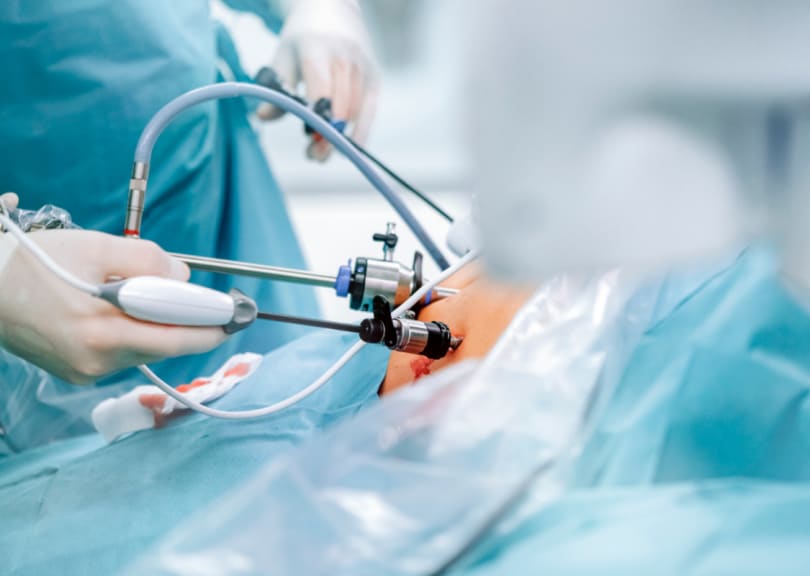
Mini gastric bypass is performed laparoscopically under general anesthesia. The surgeon makes several small abdominal incisions to insert a laparoscope, a thin, flexible tube with a camera and light. Surgical tools are also inserted through these incisions. The procedure has two main parts:
Step One – Stomach Reduction
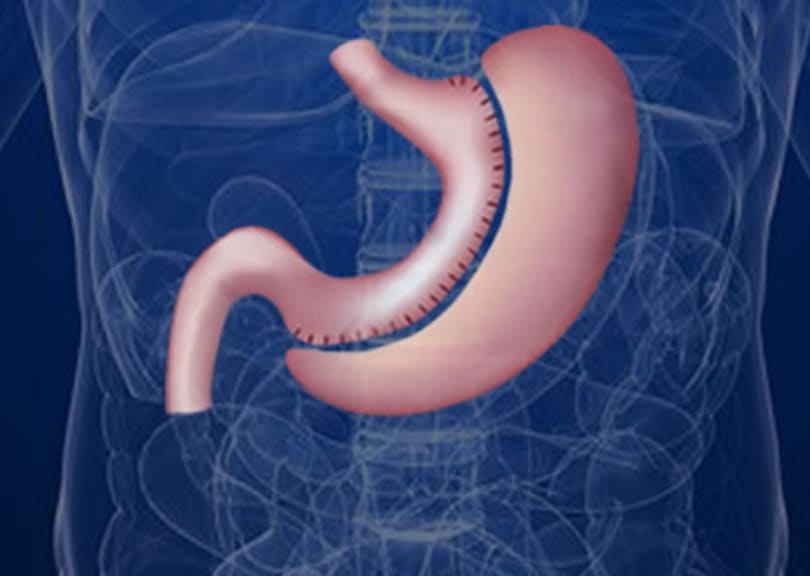
A small, tube-shaped portion of the stomach is separated and stapled to create a new, smaller stomach.
Step Two – Gastric Bypass
The new stomach is connected to the small intestine, bypassing a section of it. The opening is narrowed to slow food passage and increase satiety.
Cost of Mini Gastric Bypass
The cost depends on several factors:
- Location of the surgery
- Surgeon’s experience
- Hospital stay duration
- Patient’s health condition
- Quality and readiness of the medical facility
The average cost ranges between 1,400 and 2,600 Saudi Riyals. Prices may be reduced if you have health insurance that covers part of the procedure. You can find cost information and qualified surgeons through trusted medical platforms like Mashfa, which also helps locate clinics, hospitals, and labs across Saudi Arabia.
Recovery Period
The surgery takes 2–3 hours, with a hospital stay of 2–3 days depending on the patient’s condition. Recovery generally lasts 6–8 weeks, but may vary based on individual health. Some tips for a smooth recovery include:
- Take prescribed vitamins and supplements regularly
- Use pain relief medications as instructed
- Strictly follow the post-surgery diet
- Avoid smoking and secondhand smoke
- Avoid sugary foods and drinks to prevent dumping syndrome
- Regular medical check-ups every 6–12 months
- Monitor levels of vitamin D, vitamin B12, iron, calcium, and folic acid, using supplements if needed
- Eat protein-rich foods to feel full longer
- Start with liquids, then progress to pureed, soft, and finally solid foods under doctor supervision
Sources
- Mini Gastric Bypass
- Laparoscopic Mini Gastric Bypass