Dental Veneers: The Complete Guide Before the Cosmetic Procedure
Table of content
Dental veneers are considered an effective cosmetic procedure for improving the appearance of a smile and hiding imperfections such as gaps or discoloration. However, not every gap or stain requires veneers. The choice of procedure depends on the condition of the tooth itself, the thickness of the enamel, and the patient’s bite alignment.
In this article, we will discuss the most important tips before getting dental veneers, when veneers are suitable, the difference between veneers and Lumineers, and less invasive alternatives.
Tips Before Getting Dental Veneers
Before deciding to get dental veneers, there are several tips that can help you achieve the best results:
Evaluate the condition of your teeth and enamel:
It is important to assess enamel thickness and the overall health of the teeth to determine whether veneers can be placed without harming the natural tooth structure.
Consult a specialized dentist:
A dentist will determine whether dental veneers are the most appropriate solution or if there are less invasive alternatives.
Define your treatment goal:
Do you want to correct tooth color, close gaps between teeth, or improve the overall appearance of your smile?
Ensure healthy gums:
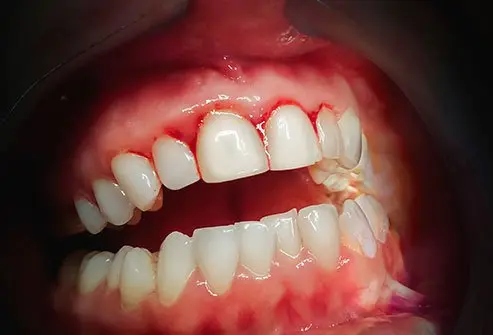
Gum inflammation or gum disease can affect the success of veneer placement.
Understand possible alternatives:
In some cases, simple orthodontic treatment or professional teeth whitening may be enough to achieve the desired smile without veneers.
You may also be interested in reading this related article: The best types of Hollywood smile
When Are Dental Veneers Suitable?
Dental veneers may be suitable in the following cases:
- Small gaps between teeth
- Tooth discoloration that does not respond to traditional whitening treatments
- Minor cracks or chips in the front teeth
- Mismatch between tooth shape and the overall smile appearance
The Difference Between Veneers and Lumineers
Many people confuse veneers and Lumineers, but there are clear differences between them.
|
Feature |
Veneers |
Lumineers |
|
Material Thickness |
Relatively thicker |
Extremely thin |
|
Enamel Removal |
Usually requires removing a small amount of enamel |
Often requires little or no enamel removal |
|
Durability |
Strong and highly durable |
Less durable than veneers |
|
Adjustments After Placement |
May require adjustments |
Easier to replace or modify |
Understanding these differences helps you choose the most suitable option to achieve your ideal smile.
Less Invasive Alternatives
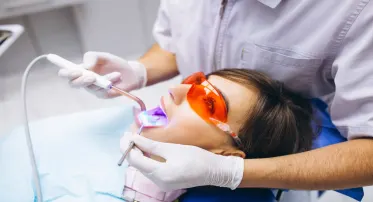
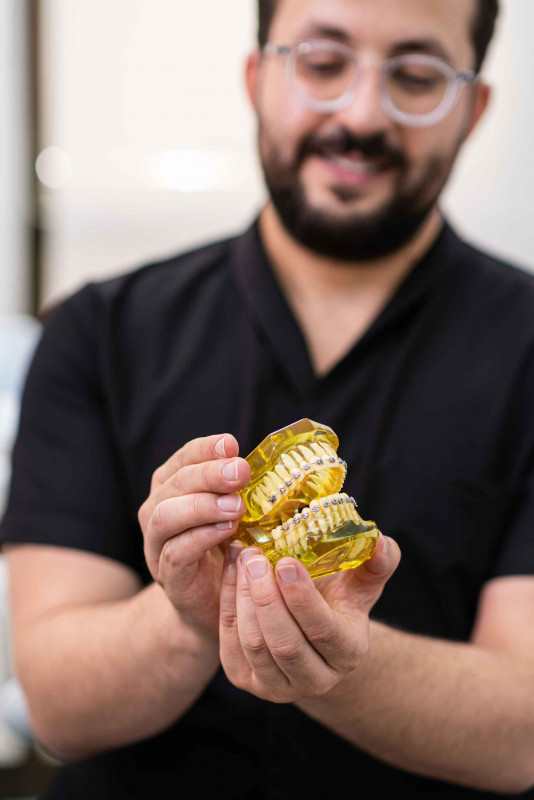
Not everyone needs dental veneers. Some alternatives may provide the desired results with less intervention:



Conclusion
Dental veneers are an effective cosmetic solution, but they are not always the best option for everyone. Before making a decision:
- Understand when veneers are suitable for your case.
- Learn the difference between veneers and Lumineers.
- Consider less invasive alternatives such as whitening or clear aligners.
- Seek professional advice from dental specialists through Mashfa to ensure the best results.
Choosing the right cosmetic dental procedure always depends on the condition of the tooth, the thickness of the enamel, and the bite alignment, ensuring that your smile looks as beautiful and natural as possible.