Risks and Advice for Laparoscopic Mini Gastric Bypass
Table of content
The risks of laparoscopic mini gastric bypass are relatively few and rarely occur. They may include malabsorption or deficiency of certain nutrients, among other minor complications.
When performed by an experienced surgical team in a well-equipped hospital, the procedure is generally safe. Understanding these risks and consulting your doctor on how to manage them is essential for avoiding health issues. Continuous follow-up with your doctor is required to monitor blood tests, ensure proper nutrition, and manage any complications effectively.
What is Laparoscopic Mini Gastric Bypass?
Laparoscopic mini gastric bypass is a weight-loss surgery designed for individuals with obesity. It involves reducing the stomach size to promote early satiety and bypassing part of the small intestine to reduce nutrient absorption. The procedure also narrows the opening between the stomach and the intestines, ensuring that food stays longer in the stomach and increases the feeling of fullness.
The surgery is performed under general anesthesia through several small abdominal incisions. A laparoscope, a thin tube with a camera and light, allows the surgeon to see internal organs clearly. Surgical tools are also inserted through these incisions. The operation includes two main steps:
Step One: Reducing Stomach Size
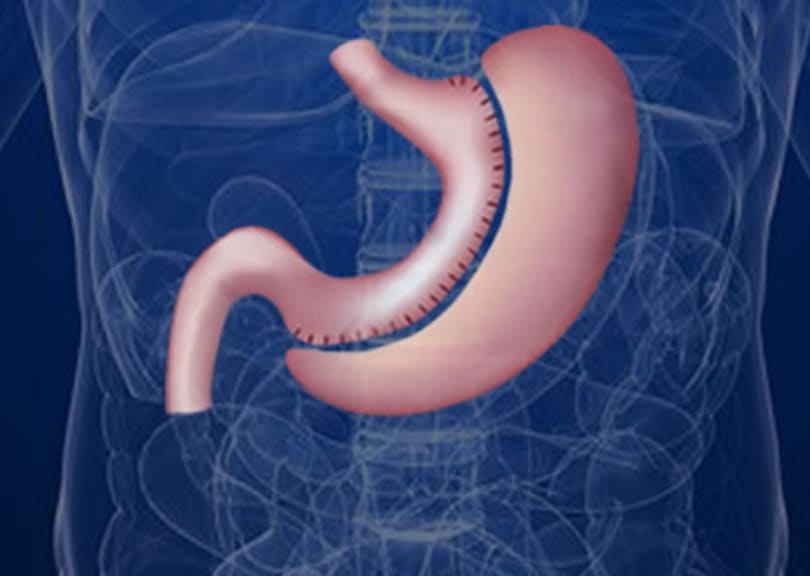
A long, narrow portion of the stomach is separated and stapled to create a smaller stomach.
Step Two: Creating the Bypass
The new small stomach is connected to the small intestine, bypassing a portion of it. This shortens the digestive pathway, limiting nutrient absorption. Additional checks, such as leak tests and X-rays the day after surgery, ensure there are no complications at the connection site.
The procedure typically lasts 2–3 hours, with a hospital stay of 2–3 days, depending on the patient’s condition.
Advantages of Laparoscopic Mini Gastric Bypass
Compared to other weight-loss surgeries, laparoscopic mini gastric bypass offers several benefits:
- Shorter surgical time
- Reversible if necessary
- Reduces the amount of food consumed
- Limits calorie absorption
- Effectively treats obesity-related health issues
- Minimally invasive with small incisions
- Sustainable weight loss when combined with a healthy diet and exercise
- Can result in a monthly weight loss of 5–10 kg in the first year
- Stimulates intestinal hormones that improve insulin secretion, aiding diabetes management
Risks of Laparoscopic Mini Gastric Bypass
When performed successfully by an experienced team, risks are rare but may include:
- Leaks at the connection site
- Stomach ulcers
- Bile reflux
- Difficulty tolerating certain foods
- Dumping syndrome, causing nausea and diarrhea
- Requirement to modify lifestyle and dietary habits
How to Manage These Risks
Patients can reduce risks by following these steps:
- Adhere to the doctor-prescribed diet
- Take recommended vitamins and supplements
- Avoid smoking, which delays recovery
- Undergo medical check-ups every 6–12 months
- Eat protein-rich foods to maintain fullness
- Progress diet gradually: liquids → pureed → solid foods
- Limit sugar intake to avoid dumping syndrome
- Monitor levels of vitamin B12, vitamin D, iron, calcium, and folic acid, using supplements if necessary
Mortality Risk
Death from laparoscopic mini gastric bypass is extremely rare. Studies indicate a mortality rate of approximately 0.5% (1 in 200 patients). Potential complications include:
- Bleeding
- Infection
- Injury to other organs
- Small intestine obstruction due to scarring or twisting
- Blood clots in the legs or pelvis, which can travel to the lungs
Most serious complications result from inadequate medical expertise or poorly equipped facilities.
Risks in Children
The risks for children are similar to adults and include:
- Hernias
- Ulcers
- Bleeding
- Abscesses
- Difficulty swallowing
- Leaks
- Wound infections
- Pneumonia
Tips to Minimize Risks
To reduce the risks of laparoscopic mini gastric bypass, patients should:
- Follow a healthy, balanced diet
- Avoid unhealthy eating habits
- Avoid strenuous exercise and heavy lifting
- Stay well-hydrated
- Avoid fast food and sugar-rich foods
- Avoid smoking and exposure to secondhand smoke
- Keep incisions clean and dry to prevent infection and swelling
- Follow a structured diet and exercise plan after recovery to maintain weight loss
- Choose an experienced, reliable surgeon and medical facility
Choosing a skilled surgeon is one of the most important factors in avoiding complications and ensuring the success of the surgery.
You can find qualified surgeons through trusted medical platforms like Mashfa, which provide consultation services and help you locate specialists, clinics, and hospitals across Saudi Arabia.
Sources
- Mini Gastric Bypass
- Laparoscopic Mini Gastric Bypass