Types of Sleeve Surgeries and the Advantages and Disadvantages of Gastric Sleeve
Table of content
Gastric sleeve surgery can be performed either through traditional surgery or laparoscopic (minimally invasive) methods. It is one of the most common procedures for rapid and effective weight loss, often chosen by individuals who have failed to lose weight through conventional diets and exercise. In this article, we will explore the types of gastric sleeve surgeries, their advantages and disadvantages, and associated costs.
What is Gastric Sleeve Surgery?
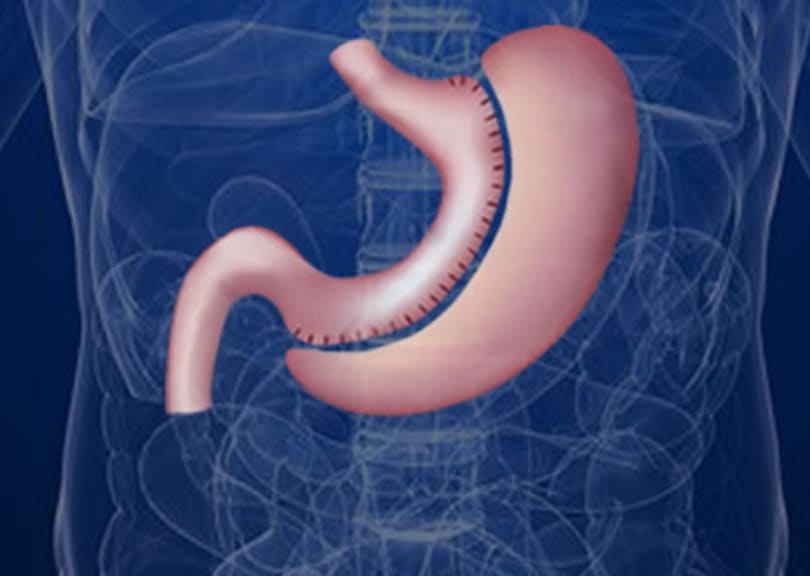
Gastric sleeve surgery has recently gained popularity as an effective method for losing excess weight, particularly for individuals with severe obesity. The procedure involves removing a large portion of the left side of the stomach and leaving the remaining stomach shaped like a tube, which reduces the amount of food intake and promotes weight loss.
The surgery is performed under general anesthesia and does not affect other parts of the digestive system, ensuring that the food pathway remains unchanged and minimizing the risk of malnutrition.
Who is Eligible for Gastric Sleeve Surgery?
Gastric sleeve surgery is generally safe and can be performed for individuals aged 18 to 65, provided their overall health allows for surgery. Candidates usually include people with severe obesity who have not achieved weight loss through diet and exercise. Eligibility criteria include:
Body Mass Index (BMI) of 40 or higher
BMI between 35 and 39.9 with chronic conditions such as high blood pressure or diabetes
BMI between 30 and 35 with serious chronic illnesses
Reasons for Gastric Sleeve Surgery
The procedure is performed to help reduce excess weight and lower the risk of chronic diseases, including:
Heart problems
High blood pressure
Sleep disorders
High cholesterol
Diabetes
Certain cancers
Reproductive issues
Types of Gastric Sleeve Surgery
Traditional Surgical Sleeve Gastrectomy
This procedure involves making several surgical incisions in the abdomen under general anesthesia. Part of the stomach is removed, and the remaining stomach is stapled into a tube shape using precision medical instruments.
Laparoscopic Gastric Sleeve Surgery
This minimally invasive method uses small incisions through which a laparoscope with a tiny camera is inserted. It allows the surgeon to remove part of the stomach without leaving visible scars.
Advantages of Gastric Sleeve Surgery
Gastric sleeve surgery is among the most effective weight loss procedures, offering several benefits:
Simpler than other weight loss surgeries
Does not alter the natural food pathway, reducing the risk of malnutrition
Reduces stomach size by approximately 80%, allowing less food intake and supporting weight loss
Decreases the production of the hunger hormone, helping control appetite
Lowers the risk of chronic diseases such as hypertension, high cholesterol, and diabetes
Considered a safe procedure with minimal serious health risks
Complications of Gastric Sleeve Surgery
Short-term complications may include:
Bleeding
Infection
Blood clots
Breathing difficulties
Allergic reactions to anesthesia
Leakage from the stapled edge of the stomach
Long-term side effects may include:
Nausea and vomiting
Difficulty eating
Malnutrition and vitamin deficiencies
Hernia
Low blood sugar
Success Rate of Gastric Sleeve Surgery
Gastric sleeve surgery has a success rate of 80-90%, making it one of the most effective weight loss surgeries. Its side effects are generally milder compared to other weight loss procedures.
Factors Affecting Success
Several factors influence the success of the surgery:
General health condition of the patient
Physical and psychological preparation before surgery
Experience and skill of the surgeon
Adherence to a healthy diet post-surgery
Causes of Surgery Failure
Possible reasons for failure include:
Noncompliance with a healthy diet
Lack of regular exercise
Use of certain medications such as corticosteroids, beta-blockers, or antidepressants
Not removing a sufficient portion of the stomach, affecting the remaining stomach capacity
Cost of Gastric Sleeve Surgery
Factors affecting the cost include:
Surgeon’s experience and capabilities
Anesthesia and medical staff fees
Hospital stay duration and costs
Type of technique used (surgical vs. laparoscopic)
Pre-surgery tests and medical examinations
Post-Surgery Medical Advice
To ensure successful recovery, patients should:
Start with liquid foods, then gradually move to pureed and solid foods under a doctor’s guidance
Attend follow-up appointments and medical tests for at least two weeks after surgery
Rest and avoid strenuous activity for two weeks post-surgery
Consume nutritious foods to provide energy and support recovery
Take prescribed vitamins and supplements to prevent malnutrition
Conclusion
This article reviewed the types of gastric sleeve surgeries, their advantages and disadvantages, possible complications, success rates, and costs. Following medical guidance and post-operative instructions is essential for optimal results.
Sources
Why Gastric Sleeve Weight Loss Surgery Might Fail
Sleeve Gastrectomy